Your Set Is Part of Your Brand
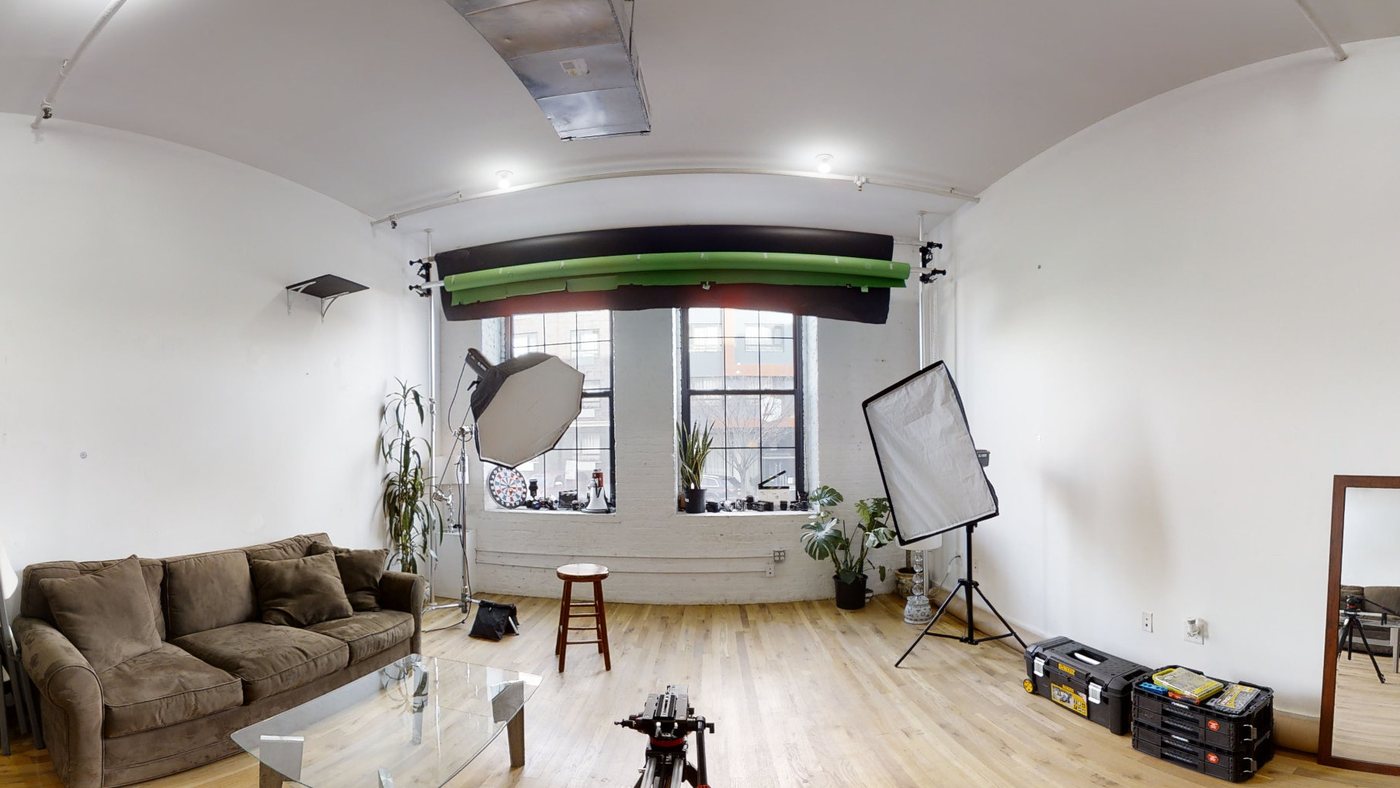
When a brand commits to recurring video, a podcast, a weekly explainer, a founder series, most of the design attention goes to the graphics: the intro, the lower thirds, the thumbnail template. Then the show gets filmed in whatever room is available.
That is backwards. On a recurring show the room is on screen for the entire runtime of every episode. The logo appears for three seconds. The set is the brand the audience actually looks at.
What a set communicates before anyone speaks
A viewer forms an impression of a show in the first second, before a word is said. Lighting, colour, depth, how considered the background looks. A well-built set says this is an operation that takes itself seriously. A bare office wall says the opposite, however good the conversation turns out to be.
It also does something quieter over time. A consistent set becomes recognisable in a feed with the sound off and no text on screen. People start identifying the show from the room, which is exactly what a brand is supposed to achieve.
It does not need to be expensive
Most effective sets are built from a small number of decisions: a background with depth rather than a flat wall, one or two practical lights that add colour and warmth, a palette that matches the rest of the brand, and nothing in frame that dates the footage. A plant, a shelf with a few deliberate objects, a lamp. Consistency matters more than spend.
What does cost money is changing it. Every rebuild resets the recognition the old set earned. Design it once with care, then leave it alone long enough for it to work.
Treat it as a brand asset, not a backdrop
We now plan the set in the same conversation as the identity, not after it. The room gets the same brief as the logo: what should this feel like, and how will someone know it is ours.
Tell us where you're at and we'll point you to the right next step.