The Anatomy of a Scroll-Stopping Video Ad
Two brands can spend the same budget on the same product category and end up with wildly different results. The gap is rarely the gear, the talent, or even the concept on paper. It is almost always structure — the specific sequence of decisions an editor makes about what the viewer sees, in what order, and for how long. Here is what that structure tends to look like when it works.
Beat 1 — the disruption (0:00–0:02)
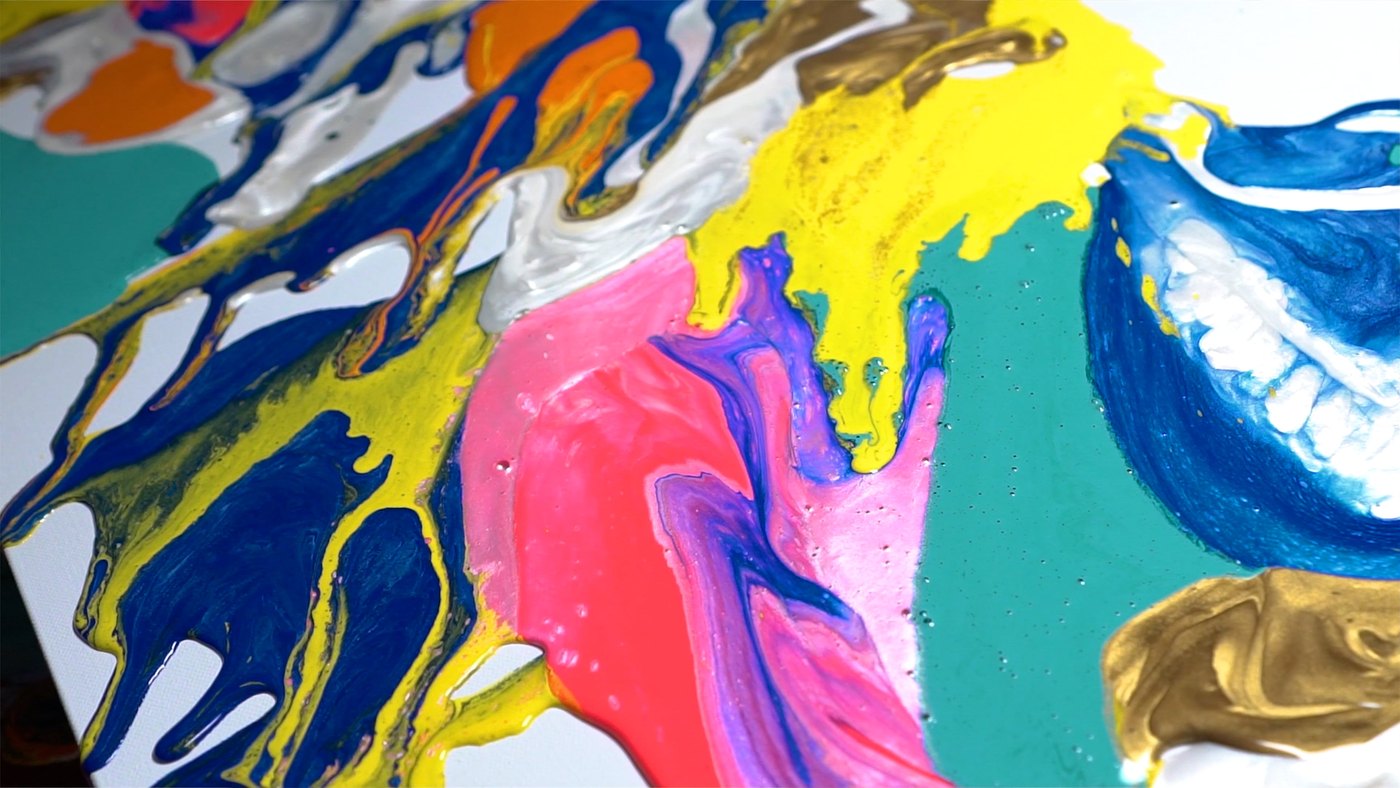
The opening frame has one job: interrupt the scroll. It does not need to explain anything yet. It needs to look, sound, or move differently enough from the content around it that a thumb pauses out of pure reflex. This is usually the least "on-brand" looking moment in the whole edit, and that is by design — a scroll-stopper that looks like an ad gets treated like one.
Beat 2 — the stakes (0:02–0:06)
Once the scroll has stopped, the video has roughly four seconds to earn a reason to keep watching. This beat names the problem, the desire, or the tension the video is going to resolve — quickly, specifically, and usually in the viewer's own language rather than the brand's. "Getting your ring light to actually match your skin tone" outperforms "premium lighting engineered for creators" every time, because one sounds like a specific problem and the other sounds like a tagline.
Beat 3 — the proof (0:06–0:18)
This is the demonstration — the product doing the thing, the transformation happening on camera, the before/after. It is the longest beat because it is doing the heaviest lifting, but it is rarely one continuous shot. It is usually four to seven micro-cuts, each one a slightly different angle or moment, because a static demonstration shot loses the same viewer the hook just won.
- Cut on action, not on dialogue — mid-motion cuts read as faster even when the pacing is identical.
- Vary the shot scale every 2–3 seconds: wide, close, wide, extreme close. Repetition of scale is what makes a demo feel slow.
- Let one imperfect, unpolished moment through. A slightly shaky handheld insert or an unscripted reaction reads as proof, not performance.
Beat 4 — the specific outcome (0:18–0:24)
Not a lifestyle montage — a specific, almost boring-sounding outcome. "Ready in nine minutes." "Fits in the front pocket of a backpack." Vague aspirational outcomes get skipped past because the viewer has seen the same footage from ten other brands. A specific, oddly precise outcome is memorable precisely because it sounds true.
Beat 5 — the ask (0:24–end)
One ask. Not three. A video that ends on "shop now, link in bio, follow for more" is asking the viewer to make a decision about which action matters, and an audience that has to decide what to do next usually does nothing at all. The strongest closing beats repeat the single specific outcome from Beat 4 one more time, then give exactly one door to walk through.
The brands that win on scroll-stopping content are not the ones with the biggest budgets. They are the ones who treat every second of runtime as something that has to be re-earned.
None of this requires a bigger crew or a longer shoot day. It requires knowing, before a single frame is captured, exactly which beat each shot on the call sheet is there to serve — which is a pre-production decision, not a production one.
Tell us where you're at and we'll point you to the right next step.